
Introduction
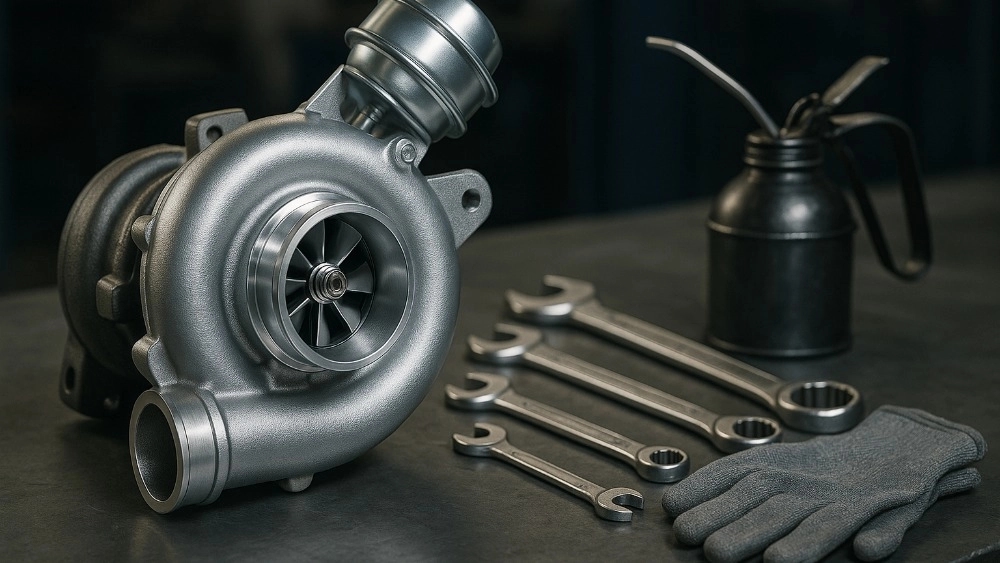
Turbocharger, this amazing engineering piece, today has become the beating heart of many modern diesel engines and petrol engines. The main task of a turbocharger is to compress the air and send it more pressure into the cylinders. This process allows the engine to burn more fuel in each combustion cycle, resulting in much higher power and torque, without the need to increase the volume of the engine. But this vital and useful piece requires special attention and care to maintain optimal performance and prevent costly breakdowns. In this complete guide, we examine the principles of turbocharged maintenance so that you can extend the useful life of this piece and always benefit from its maximum efficiency.
A healthy turbocharger not only guarantees the power of your car, but also plays a key role in reducing fuel consumption and reducing environmental pollution. Turbocharger failure can lead to severe power drop, increased output smoke, abnormal engine noise, and in acute cases, serious damage to other engine components. Therefore, familiarity with the correct way to maintain the turbocharger is a necessity for any car owner equipped with this system.
How does the turbocharger work? Introduction to the basics
To better understand the importance of repairing the turbocharger, we must first get acquainted with its work mechanism. The turbocharger consists of two main parts: turbine and compressor. These two sections are connected to each other by a central shaft.
more air means more oxygen, and more oxygen means more complete and stronger combustion. This is the basis of the work and the reason for the dramatic increase in the power of the turbocharged engines.
Symptoms of Turbocharger Damage: When should we worry about?
A turbocharger usually develops symptoms before complete failure. Timely detection of these symptoms can prevent the cost of repairing or replacing the turbocharger. The most important symptoms of turbocharger failure are:
- Tangible Reduction of Acceleration and Engine Power: This is the first and most common sign. If you feel that your car no longer has that acceleration and power, one of the main suspects is the turbocharger system.
- Hearing a whistle or an abnormal scream from the engine: The turbocharger normally has a mild whistle sound. But if the sound turns into a long scream, howling or wear, it may indicate the problem in the bearings or the compressor blades' collision with the turbocharger body.
- exhaust blue or gray smoke from the exhaust: This symptom is usually due to oil leakage or turbocharger. Interior turbocharger may have been worn out.
- Increase engine oil consumption: If your engine oil levels decrease faster than usual and external leakage, the oil is likely to leak through the turbocharger. Any bush pressure disorder (producing air pressure) can register the error code and turn on the check light.
If you see any of these symptoms, it is necessary to see a specialist as soon as possible to review and repair the turbocharger. A collection such as Turbine Trading with enough expertise and experience in the field of turbocharger can be a reliable consultant and guide to you.
key principles of maintaining turbocharger to increase life span
Prevention is always better than treatment. With a few simple but vital tips in keeping the turbocharger, you can ensure its perfect performance for many years.
1. Using high quality engine oil and timely replacement:
This is the most important principle in the maintenance of the turbocharger. The central turbocharger shaft, which rotates at a staggering speed, is cooled by a thin layer of lubricating engine oil. Any disruption to the quality or quantity of this oil can lead to catastrophic wear and complete turbocharged failure.
2. Heating Engine Before Move:
immediately after starting the car, especially in cold weather, let the engine work for at least 30 seconds to a minute. This will give the oil to reach all the motor parts, including sensitive turbocharged bearings, and do the initial lubrication. Moving with high engine speed immediately after starting, forcing the turbocharger to work without adequate lubrication, which can cause severe erosion.
3. Cooling turbocharger before turning off the engine:
This is as important as the initial warming. After long or high -pressure driving (such as driving at uphill or high speed), the turbocharger becomes extremely hot. If you turn off the engine immediately, the oil flow stops, but the turbine remains hot due to high heat. This imprisoned heat causes the residual oil to be burned and carbonized in the ducts and on the shaft. In the long run, these carbon sediments block the oil path and cause the turbocharged damage.
4. Regular Replacement of the Air Filter:
Dirty and blocked air filters prevent enough air from entering the turbocharged compressor section. This makes the turbocharger work harder and faster to compensate for air deficiency, which in turn leads to an increase in depreciation and reduces its life. Also, a damaged air filter can pass the dust particles, which can cause serious damage to the compressor blades that are rotated at high speed.
5. Periodic Systems Related Systems:
The correct turbocharger function also depends on the health of other systems. Regularly check out the following: Inlet and outlet hoses and pipes: Any cracking, rupture or leakage in these routes causes a drop in booster pressure and reduces efficiency. Intercooler: Ensure the lack of leakage or cramps in the intercooler. Oil System: Check the turbocharger or turbocharged ornaments.
turbocharger repair steps: a specialized process
Repair of the turbocharger is a very precise and specialized task that must be done by trained people using appropriate equipment. Trying to repair the turbocharger without technical knowledge and precision tools not only does not solve the problem but can also lead to further damage. The overall process of turbocharger repair includes the following steps:
Selection of Specialized Repair and Purchase Center of Turbocharger: Tobacco Trading Role
As explained, the turbocharger repair is a complex process. Giving this to non -specialists is a big risk. A reputable specialized center must have the following features: Experienced and trained technicians Modern equipment, especially high speed balance machine Use of spare parts and main repair kits Providing Warranty for Repair Services and Parts
In the meantime, the Turkish Trading as one of the pioneers in the import, sales and provision of specialized turbocharged services in Iran plays a key role. This collection focuses on quality and customer satisfaction:
Choosing a reputable supplier and service center such as the Tourbiran Trading is a guarantee of the heart of the beating heart of your car. Investing in a high -quality turbocharger or a principled repair will ultimately save you long -term costs and relaxation.
Summary
Turbocharger is an advanced engineering piece that requires special care and attention. You can dramatically extend its shelf life by adhering to the simple principles of turbocharger maintenance, such as using proper oil, warm -up and cooling of the engine and timely replacement of the filters. In the event of any symptoms of failure, quick action and visiting a specialized turbocharger repair center will prevent further damage and high costs. Keep in mind that the quality of parts and the expertise in repair are two key factors in your turbocharger's perfect performance. To ensure the best services and parts, always trust reputable centers such as the Turkish Trading.