
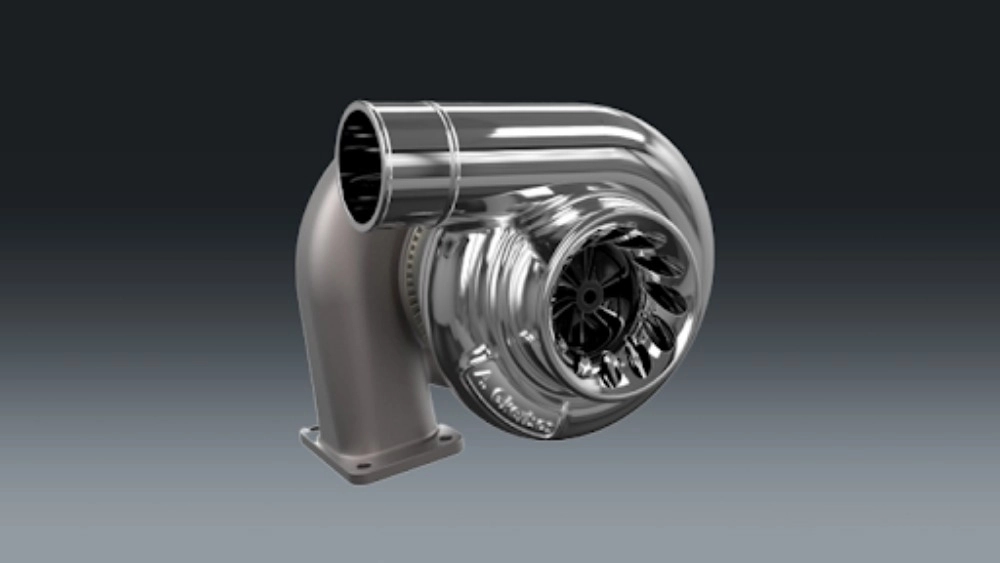
What is a turbocharged charging?
Turbo charging is one of the advanced technologies in the automobile industry, which is designed to increase the efficiency and power of combustion engines. This part compresses more air and sends it into the cylinders using the exhaust gases. When more air enters the cylinder, better combustion is possible and this leads to higher power output from the engine. A turbocharger is especially useful in sports cars and small engines, because it increases the power output without increasing the volume and weight of the engine. In addition to increasing power, the turbo charger has other advantages; Such as reducing fuel consumption and reducing pollutants. This technology allows the engine to work more efficiently and as a result, the amount of fuel consumed to produce a certain amount of energy is reduced. In this way, in addition to improving car performance, turbo charging helps reduce environmental damage and conserve energy resources. This has caused many modern car manufacturers to use this technology in the production of new cars to provide a better driving experience and to pay attention to environmental issues.
How the turbocharger works
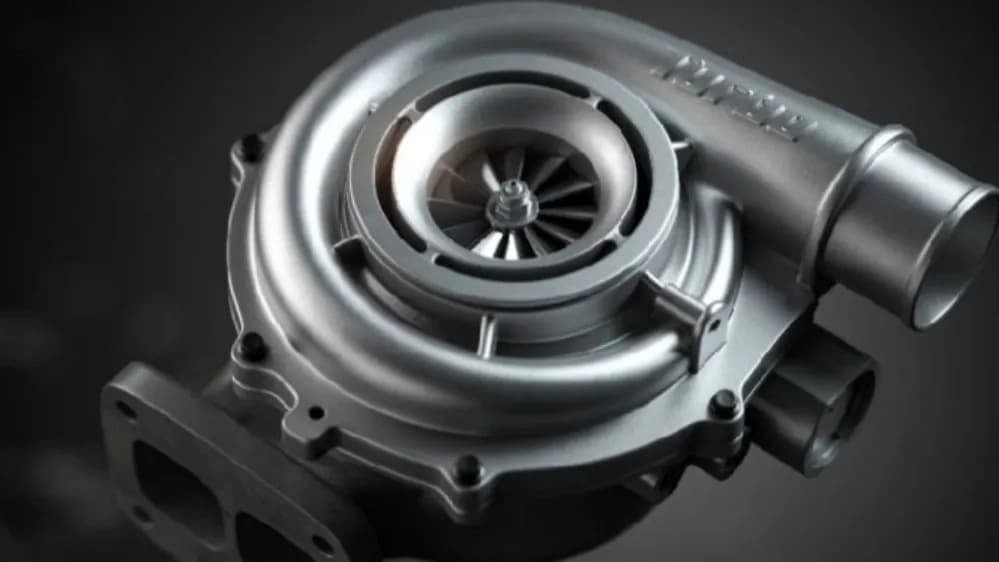
Turbocharger consists of two main parts: turbine and compressor. The turbine uses the exhaust gases of the engine to rotate. When the fuel burns in the cylinder, hot, high-pressure gases are directed to the turbine through the exhaust system. These gases make the turbine rotate. On the other hand, the compressor is connected to the shaft that drives the turbine, and when the turbine rotates, the compressor starts working.
The compressor sucks in ambient air and compresses it, and then sends it to the combustion chamber. This increase in the volume of the intake air causes more fuel to enter the cylinder, resulting in stronger combustion. This stronger combustion results in more power output from the engine. Due to this performance, turbo charging can significantly increase the power of the engine without increasing the volume and weight of the engine. This technology is one of the key solutions to increase the efficiency and power of combustion engines in modern cars.
Types of turbocharged charging
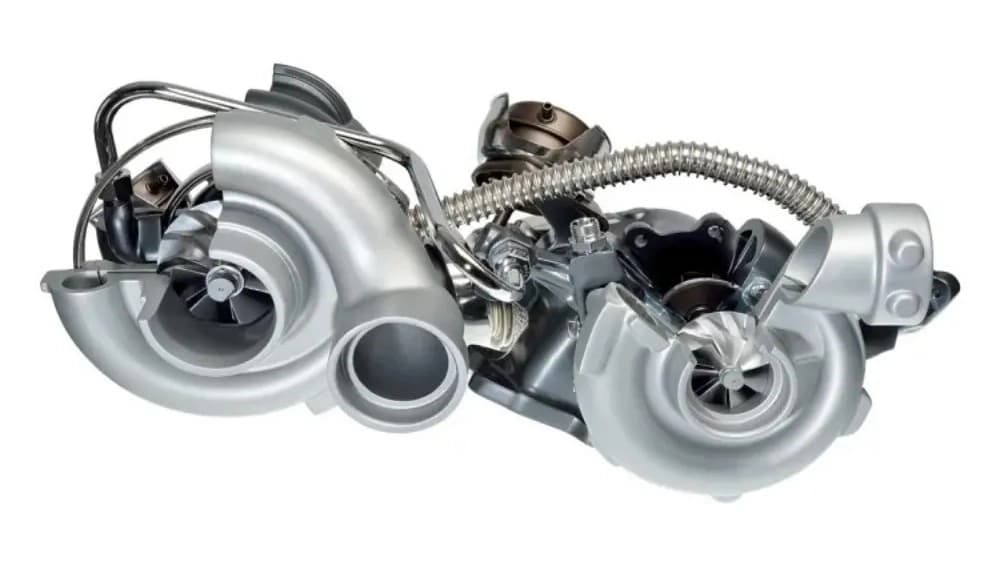
Variable turbocharger (VGT): This type of turbocharger has variable vanes that change their angle depending on the engine conditions. These changes allow the air pressure to be adjusted optimally and reduce the turbo lag. This type is widely used in sports cars due to better performance at high speeds. Twin turbocharger: This type of turbocharger has two turbines on one axis, which are used to generate more power. Twin turbocharger is especially used in cars that need high power and torque. This type of turbo has better performance at high speeds and increases the output power of the engine. Electric Turbocharger: Electric turbos use batteries to compress air, resulting in drastically reduced turbo lag. This type of turbocharger is especially popular in hybrid and electric vehicles because it uses electrical energy instead of mechanical energy. Non-turbocharger: This type of turbo includes two compressors and two turbines that are located on the same axis and can send more air to the engine. This type of turbo has a very strong performance and helps to increase the efficiency and power of the engine, although it is more complicated to install and maintain.
How to install the turbocharger
Installing turbo charging is a complex and sensitive process that requires expertise and technical knowledge. In the first step, the type of turbo charger suitable for the car engine should be selected. This choice should be based on the capacity and technical characteristics of the engine to ensure a perfect fit between the turbo and the engine. Then the turbocharger should be installed near the exhaust system so that it can use the energy of the exhaust gases in the best way. The next step is to connect the air intake and exhaust systems. The turbo compressor must be connected to the engine's air intake system and the turbine to the car's exhaust. In addition, a proper cooling system must be considered to control the high temperature of the turbocharger, as high temperatures can damage the engine and turbo. The correct installation of the turbo charger must be done carefully and the engine system settings must also be done correctly so that the maximum efficiency of this part can be used.
Turbocharged components
Turbine: The main task of the turbine is to use the exhaust gases to rotate it. This section mechanically transfers the energy from the exhaust gases to the compressor and causes it to rotate. The turbine is one of the key parts of the turbocharger that helps to increase the efficiency of the engine.
Compressor: The compressor is responsible for sucking the ambient air and compressing it using the mechanical energy produced by the turbine. This compressed air is then directed to the combustion chamber and improves combustion and increases engine power.
Shaft: The shaft is a central piece that connects the turbine and the compressor and transfers energy from the turbine to the compressor. This energy transfer compresses the air and increases engine efficiency.
Housing: The housing or housing includes the turbine and compressor and is responsible for directing gases and air. This section makes the air flow and exhaust gases to be directed optimally and the performance of the turbocharger is improved.
Wastegate: Wastegate is responsible for controlling the gas pressure of the turbine. This part prevents excessive pressure and thus prevents damage to engine and turbocharger parts
Turbocharging is an effective tool for increasing the efficiency and power of car engines, which uses the energy of the exhaust gases to direct more air into the cylinders. This process increases power and reduces fuel consumption and helps improve engine efficiency. However, installing and maintaining a turbocharger requires expertise and high precision. The use of this technology helps to improve the driving experience and preserve the environment, and makes cars work more efficiently.