
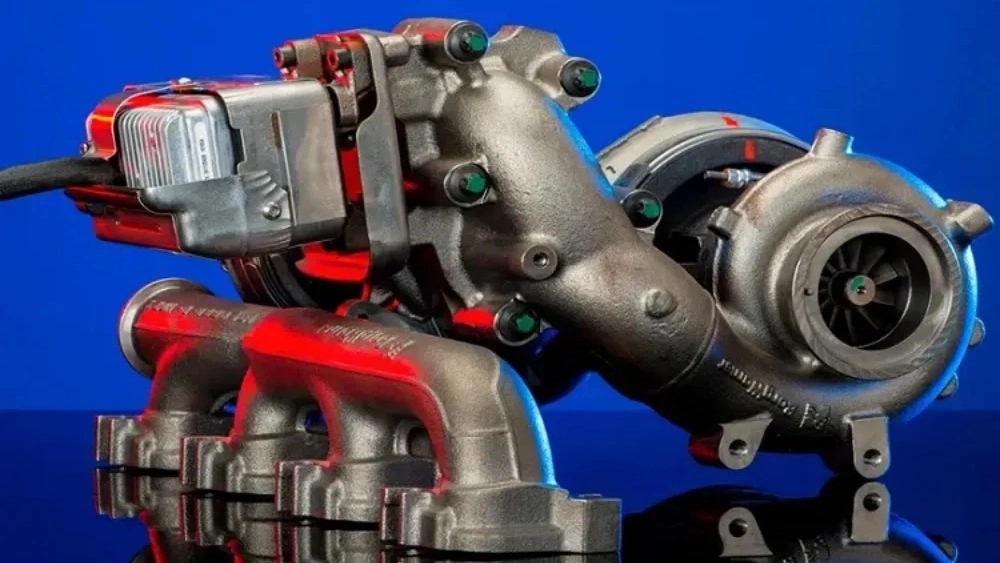
The main parts of the turbocharged charge and how they operate
Turbochargers, as one of the advanced technologies in improving the performance of internal combustion engines, play a vital role in increasing engine power and efficiency. This complex system, by using the energy of exhaust gases from the engine to compress the air entering the cylinders, is able to increase the power of the engine significantly. To better understand the operation of turbocharger, it is very important to know the main parts of turbocharger and how they work. Turbocharger consists of key components such as compressor, turbine, housing, pressure relief valve and intercooler, each of which has a specific task in the compression process and pressure management.
Turbocharged and its role in improving engine performance
Turbocharging is a power increasing system of internal combustion engines that uses the energy of exhaust gases to send more air into the engine cylinders. This system consists of two main parts: compressor and turbine. Exhaust gases from the engine hit the turbine and make it rotate. The turbine also drives the compressor, which results in more compressed air entering the combustion chamber of the engine. This increase in air causes more fuel to burn in the engine and as a result, the power and efficiency of the engine increases dramatically. The role of turbo charging is very essential in improving engine performance, because it can produce more power without increasing the volume of the engine. This is especially useful in smaller engines where there is not enough space to increase engine volume. In addition, using a turbocharger can improve fuel efficiency because the engine can use every drop of fuel more efficiently. This technology is widely used, especially in modern cars and high-efficiency engines, and allows car manufacturers to produce engines with high efficiency and less fuel consumption.
The main parts of the turbocharged charge
Importance of Oil and Oil System in Turbo Charging
The lubrication system in the turbocharger is one of the key factors to ensure optimal performance and longevity of this vital part of the engine. A turbocharger operates at high speed and high pressure, and therefore requires proper lubrication to reduce friction and prevent damage from high heat and pressure. Lubrication helps the turbocharger's bearings and central shaft rotate smoothly and without resistance, which reduces heat and increases turbocharger efficiency. The oiling system also helps transfer heat away from the turbocharger's internal components, preventing extremely high temperatures that can damage components. In addition, proper lubrication reduces the corrosion and wear of internal parts, which ultimately increases the useful life of the turbocharger and reduces the need for frequent repairs and replacements. Therefore, it is very important to ensure the correct operation of the oil supply system and the use of quality and suitable oil for turbocharging.
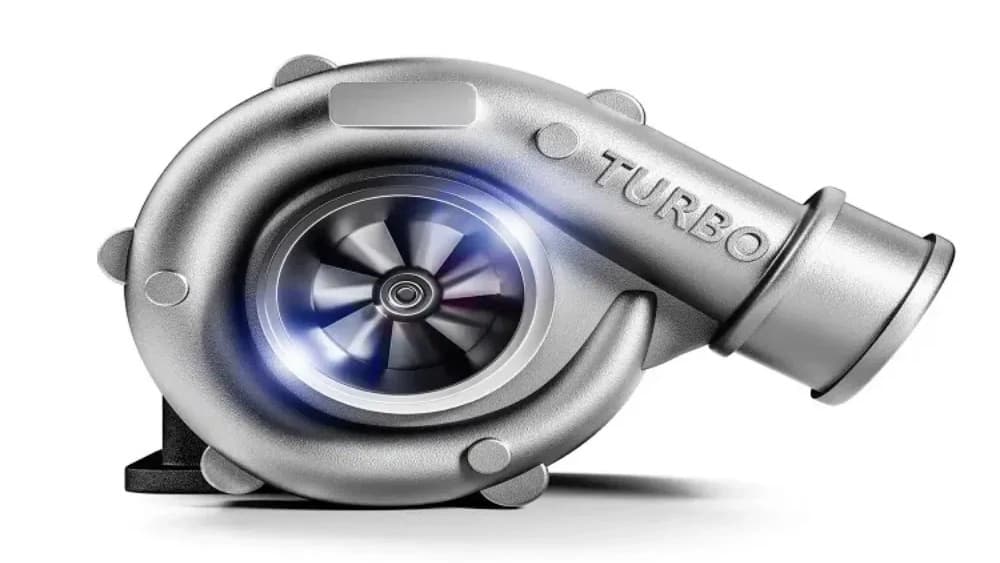
The difference between the turbocharged and multi -step turbocharged
Turbochargers are generally divided into two categories, single-stage and multi-stage, each of which has its own characteristics and advantages.
Turbocharged single -step chargers
Single-stage turbochargers are the most common type of turbochargers, which include a compressor and a turbine. This system is used in many cars and engines due to its simpler design and lower cost. In single-stage turbochargers, the compressed air enters the engine cylinders directly and there is no need for an additional compression stage. This type of turbocharger is suitable for engines with low to medium power and is usually used in city cars and some sports cars.
Turbocharged multi -step recharge
Benefits of turbocharged charging
Single-stage turbochargers are suitable for use in normal cars and medium power engines due to their simplicity and lower cost. But multi-stage turbochargers with the ability to compress more and increase engine power provide better performance in situations where power and high efficiency are required. Ultimately, the choice between single-stage and multi-stage turbochargers depends on the specific needs of the engine and the problem at hand.